
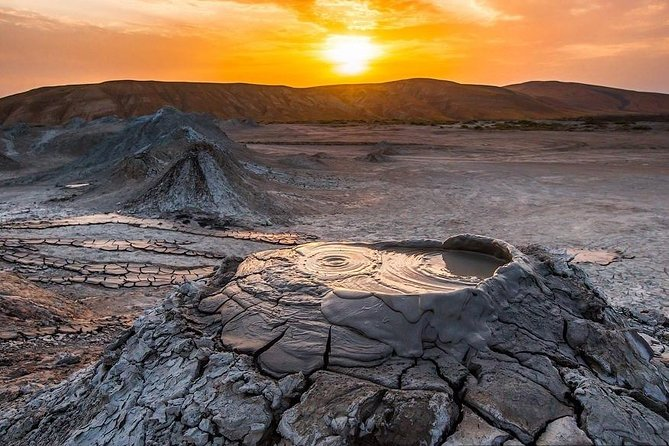
Located at the crossroads of Eastern Europe and Western Asia, Azerbaijan is a country that seamlessly blends traditional and modern culture. From the snow-capped peaks of the Caucasus Mountains to the sun-kissed beaches of the Caspian Sea, Azerbaijan: a traveler’s paradise waiting to be explored.
In this blog, we will delve into the history, culture, and natural beauty of Azerbaijan, and provide you with a comprehensive guide to planning your trip to this fascinating country.
Brief History :-
Azerbaijan, a country located at the crossroads of Eastern Europe and Western Asia, has a rich and diverse history that spans over 2,000 years. From ancient civilizations to modern-day independence, Azerbaijan’s history is a fascinating story of cultural, economic, and political development.
Ancient Period (9th century BC – 7th century AD)
The territory of modern-day Azerbaijan was inhabited by various ancient civilizations, including the Scythians, Medes, and Persians. In the 9th century BC, the region was part of the ancient kingdom of Mannae, which was later conquered by the Medes.
Middle Ages (7th century – 16th century)
In the 7th century, Azerbaijan was conquered by the Arabs, who introduced Islam to the region. The country became an important center of trade and culture, with the city of Baku serving as a major hub on the Silk Road.
- Safavid and Qajar Periods (16th century – 19th century)*
In the 16th century, Azerbaijan was conquered by the Safavid Empire, which was founded by Shah Ismail I. The Safavids established Shia Islam as the official religion of Azerbaijan and introduced a system of government that was based on Islamic law.
Russian Rule (19th century – 20th century)
In the 19th century, Azerbaijan was conquered by the Russian Empire, which introduced modernization and industrialization to the region. The country became an important center of oil production, with the city of Baku serving as a major hub for the oil industry.
Soviet Rule (20th century)
In 1920, Azerbaijan became part of the Soviet Union, which introduced a system of government that was based on communism. The country underwent rapid modernization and industrialization, but also experienced significant repression and censorship.
Independence (1991)
In 1991, Azerbaijan declared its independence from the Soviet Union, which marked the beginning of a new era in the country’s history. The country has since undergone significant economic and political reforms, and has become a major player in regional and international affairs.
Timeline of Major Events in Azerbaijani History
- 9th century BC: The territory of modern-day Azerbaijan is inhabited by the Scythians.
- 7th century: Azerbaijan is conquered by the Arabs.
- 16th century: Azerbaijan is conquered by the Safavid Empire.
- 19th century: Azerbaijan is conquered by the Russian Empire.
- 1920: Azerbaijan becomes part of the Soviet Union.
- 1991: Azerbaijan declares its independence from the Soviet Union.
Key Figures in Azerbaijani History
- Shah Ismail I: The founder of the Safavid Empire, which conquered Azerbaijan in the 16th century.
- Heydar Aliyev: The third President of Azerbaijan, who played a key role in the country’s independence movement.
- Ilham Aliyev: The current President of Azerbaijan, who has overseen significant economic and political reforms in the country.
Conclusion
Azerbaijan’s history is a rich and diverse tapestry that reflects the country’s strategic location at the crossroads of Eastern Europe and Western Asia. From ancient civilizations to modern-day independence, Azerbaijan’s history is a fascinating story of cultural, economic, and political development.
Here are some of the top places to visit in Azerbaijan:
Baku
- Old Town (Icheri Sheher): A UNESCO World Heritage Site, this historic walled city features narrow streets, ancient mosques, and the iconic Maiden Tower.
- Flame Towers: A trio of skyscrapers that dominate the city’s skyline, offering stunning views of the city and the Caspian Sea.
- Heydar Aliyev Center: A futuristic concert and exhibition venue designed by Zaha Hadid, featuring a stunning atrium and beautiful gardens.
- Maiden Tower (Giz Galasi): A 12th-century tower that offers stunning views of the city and the Caspian Sea.
- Baku Boulevard: A scenic waterfront promenade that offers stunning views of the Caspian Sea and the city skyline.
Absheron Peninsula
- Yanar Dag: A natural gas fire that has been burning continuously since 1958, offering stunning views of the surrounding countryside.
- Ateshgah of Baku: A 17th-century Zoroastrian temple that features a stunning architecture and beautiful gardens.
- Mardakan Castle: A 12th-century castle that offers stunning views of the surrounding countryside.
Sheki
- Sheki Khan’s Palace: A stunning 18th-century palace that features beautiful architecture and beautiful gardens.
- Sheki Fortress: A 10th-century fortress that offers stunning views of the surrounding countryside.
Ganja
- Nizami Mausoleum: A stunning mausoleum dedicated to the famous Azerbaijani poet Nizami Ganjavi.
- Ganja Fortress: A 16th-century fortress that offers stunning views of the surrounding countryside.
Other destinations
- Shahdag National Park: A stunning national park that offers breathtaking views of the Caucasus Mountains.
- Lahij: A picturesque village that is famous for its ancient architecture and stunning natural beauty.
- Qobustan National Park: A UNESCO World Heritage Site that features ancient rock art and stunning natural beauty.
Cuisine
Azerbaijani cuisine is a unique blend of Eastern and Western flavors. Some of the most popular dishes in Azerbaijan include:
- Plov: A traditional Azerbaijani dish made with rice, meat, and vegetables.
- Kebabs: Skewers of marinated meat that are grilled over an open flame.
- Dolma: Stuffed vegetables or fruits that are filled with a mixture of rice, meat, and spices.
- Shashlik: Skewers of marinated meat that are grilled over an open flame.
- Pakhlava: A traditional Azerbaijani pastry that is made with layers of dough and nuts.
Tips and Essentials
Here are some tips and essentials to keep in mind when planning your trip to Azerbaijan:
- Visa requirements: Citizens of most countries can obtain a visa on arrival in Azerbaijan.
- Language: Azerbaijani is the official language of Azerbaijan, but many people also speak Russian and English.
- Currency: The Azerbaijani manat is the official currency of Azerbaijan.
- Weather: Azerbaijan has a temperate climate, with hot summers and cold winters.
- Safety: Azerbaijan is generally a safe country, but visitors should still take precautions to protect themselves and their belongings.
Conclusion
Azerbaijan is a country that has something to offer every kind of traveler. From its rich history and culture to its stunning natural beauty, Azerbaijan is a destination that is sure to leave you in awe.
Don’t miss out on this amazing opportunity to explore Azerbaijan with your family! Book your tour today with the Best Tour Operator in India and create unforgettable memories with your loved ones.
Leave a Reply